Minister Miriam Nguta
Jesus speaks plainly about the demands of true discipleship in Luke 14:25-33 (KJV): “And there went great multitudes with him: and he turned, and said unto them, If any man come to me, and hate not his father, and mother, and wife, and children, and brethren, and sisters, yea, and his own life also, he cannot be my disciple. And whosoever doth not bear his cross, and come after me, cannot be my disciple. For which of you, intending to build a tower, sitteth not down first, and counteth the cost, whether he have sufficient to finish it? Lest haply, after he hath laid the foundation, and is not able to finish it, all that behold it begin to mock him, Saying, This man began to build, and was not able to finish. Or what king, going to make war against another king, sitteth not down first, and consulteth whether he be able with ten thousand to meet him that cometh against him with twenty thousand? Or else, while the other is yet a great way off, he sendeth an ambassage, and desireth conditions of peace. So likewise, whosoever he be of you that forsaketh not all that he hath, he cannot be my disciple.”
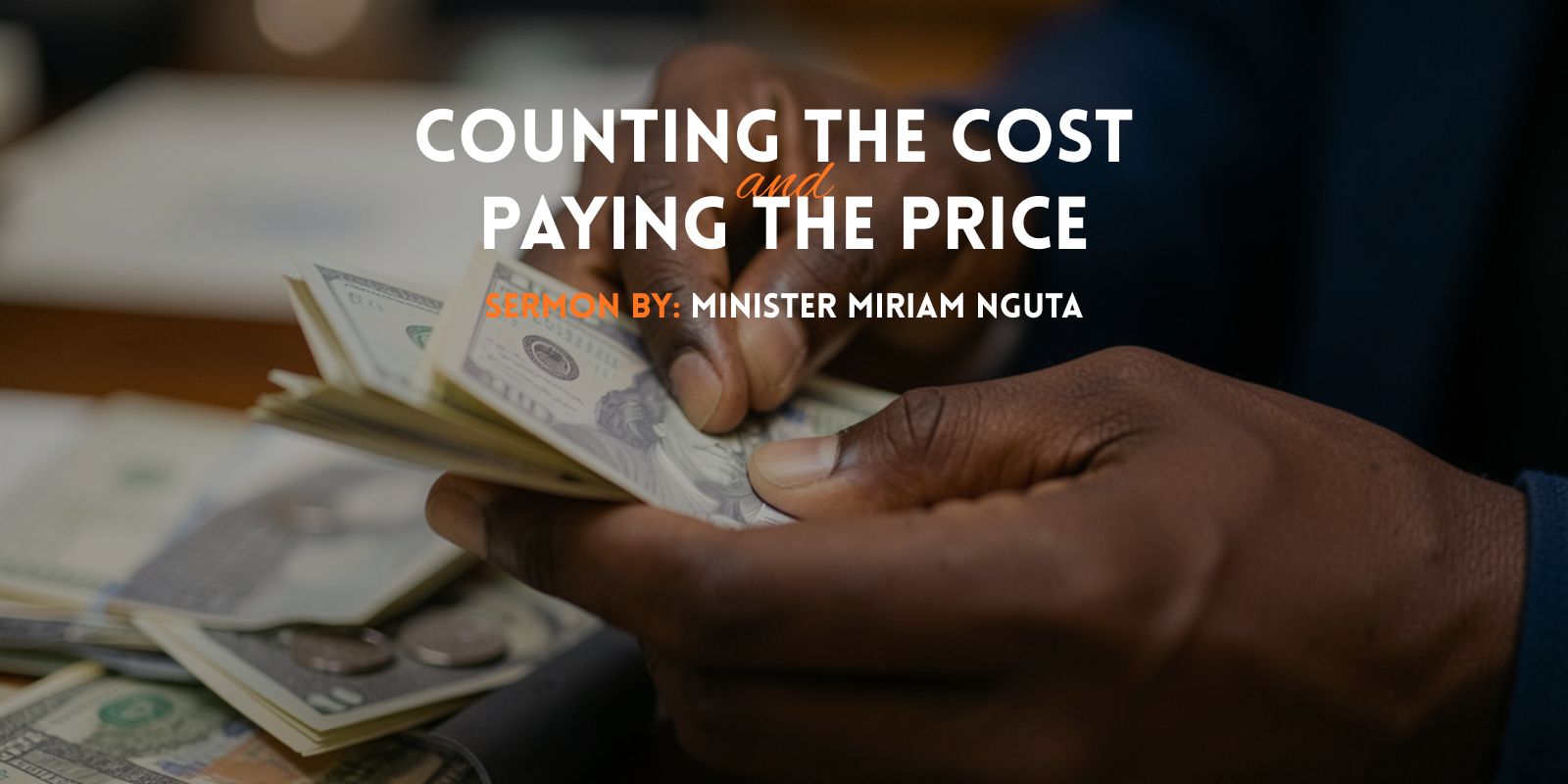
Discipleship requires counting the cost and paying the price. Just as a builder assesses resources before starting a tower to avoid mockery for an unfinished project, or a king evaluates his army before battle to seek peace if outmatched, we must examine whether we possess what is needed to follow Christ fully. Salvation and following Jesus demand the same deliberate commitment: renouncing everything—our agendas, opinions, intentions, dreams, careers, businesses, and even our own life—to make Him Lord.
I reflect on my own journey, saved on 2 November 2016 at 9:30 a.m., moved by a message on God’s greatness displayed in creation. Yet initial surrender brings relief only momentarily; true discipleship calls for ongoing renunciation and bearing the cross without turning back. Noah paid the price by building the ark in faithful obedience for 120 years amid ridicule. Abraham left his homeland without knowing his destination, trusting that if God is in it, the cost is worth paying—even if it leads to uncertainty or hardship.
The rich young ruler inquired what more he needed for eternal life; Jesus replied that he must sell all, give to the poor, and follow—revealing his attachment to wealth as the barrier. Daily, we face choices that pledge allegiance: if our desires for money, position, or comfort conflict with Christ’s will, we serve other masters, however noble they appear.
Consider Leah in Genesis 29:31-35 (KJV): “And when the Lord saw that Leah was hated, he opened her womb: but Rachel was barren. And Leah conceived, and bare a son, and called his name Reuben: for she said, Surely the Lord hath looked upon my affliction; now therefore my husband will love me. And she conceived again, and bare a son; and said, Because the Lord hath heard I was hated, he hath therefore given me this son also: and she called his name Simeon. And she conceived again, and bare a son; and said, Now this time will my husband be joined unto me, because I have born him three sons: therefore was his name called Levi. And she conceived again, and bare a son: and she said, Now will I praise the Lord: therefore she called his name Judah; and left bearing.” Leah sought validation through her sons—Reuben for relief from affliction, Simeon for being heard, Levi for attachment—yet only when she shifted to praise the Lord with Judah did her focus change from self to worship.
Bearing the cross means dying to self, losing our life to find His. A story from a Welsh revival missionary in violent northeast India illustrates this: a family converted, and as the chief executed them one by one, each declared, “I have decided to follow Jesus, no turning back.” Their unwavering commitment moved the village to Christ. Renunciation may not always be dramatic, but it requires willingness to pay any price for Christ’s glory in our decisions.
Christ paid the ultimate price: leaving the Father’s side, entering a doomed world, enduring a crown of thorns, bruises, and death. As 2 Corinthians 5:14-21 (KJV) explains: “For the love of Christ constraineth us; because we thus judge, that if one died for all, then were all dead: And that he died for all, that they which live should not henceforth live unto themselves, but unto him which died for them, and rose again. Wherefore henceforth know we no man after the flesh: yea, though we have known Christ after the flesh, yet now henceforth know we him no more. Therefore if any man be in Christ, he is a new creature: old things are passed away; behold, all things are become new. And all things are of God, who hath reconciled us to himself by Jesus Christ, and hath given to us the ministry of reconciliation; To wit, that God was in Christ, reconciling the world unto himself, not imputing their trespasses unto them; and hath committed unto us the word of reconciliation. Now then we are ambassadors for Christ, as though God did beseech you by us: we pray you in Christ’s stead, be ye reconciled to God. For he hath made him to be sin for us, who knew no sin; that we might be made the righteousness of God in him.” He reconciled us through His sacrifice, making us new creations with a ministry of reconciliation.
In this year of double harvest, we are prisoners of hope, but genuine hope rests in Christ alone. Involve Him in every plan; if saved, let actions reflect Him as Lord. Renunciation is a heart alignment—tagging every aspect of life with the cross. Count the cost, pay the price, and return fully to worship, love, and security in Him.
Application Examine your life honestly: count the cost of discipleship by assessing whether you are willing to renounce all—personal agendas, attachments, dreams, and comforts—that compete with Christ’s lordship. Pay the price daily by bearing your cross, dying to self, and aligning your will with His without turning back, even in uncertainty or hardship. Shift from seeking validation in achievements, relationships, or possessions to praising the Lord alone, as Leah did. Embrace Christ’s ultimate sacrifice that reconciles and renews you, living no longer for yourself but for Him who died and rose again. In this season of double harvest, surrender fully so that your decisions glorify Christ, fulfil His purposes, and position you to receive multiplied blessing as a true disciple.